
Jefferies Malings Racket or Fives Ball
Jefferies Malings Racket or Fives Ball
21991
Vintage Jefferies Malings Racket (Racquets) or Fives Ball.
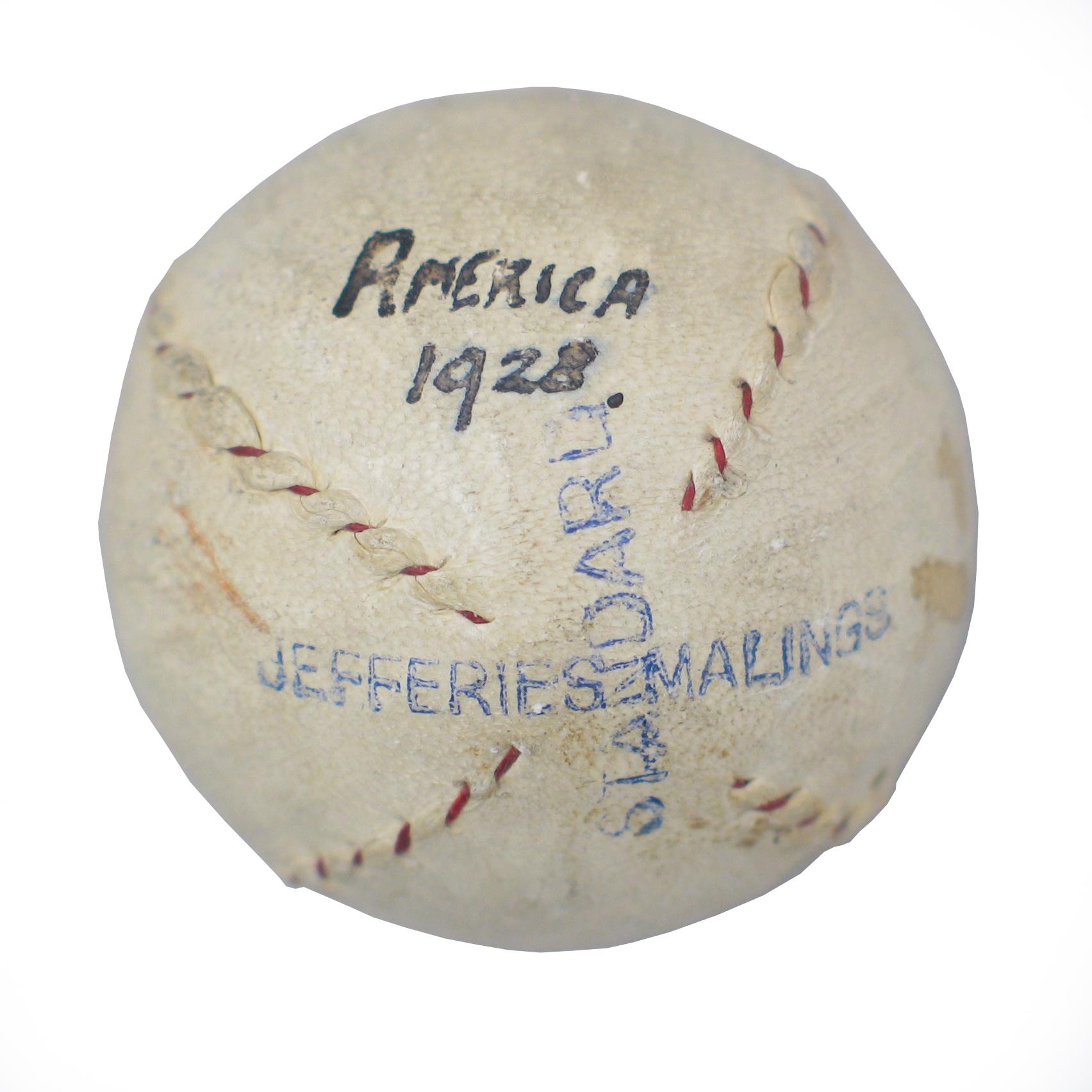
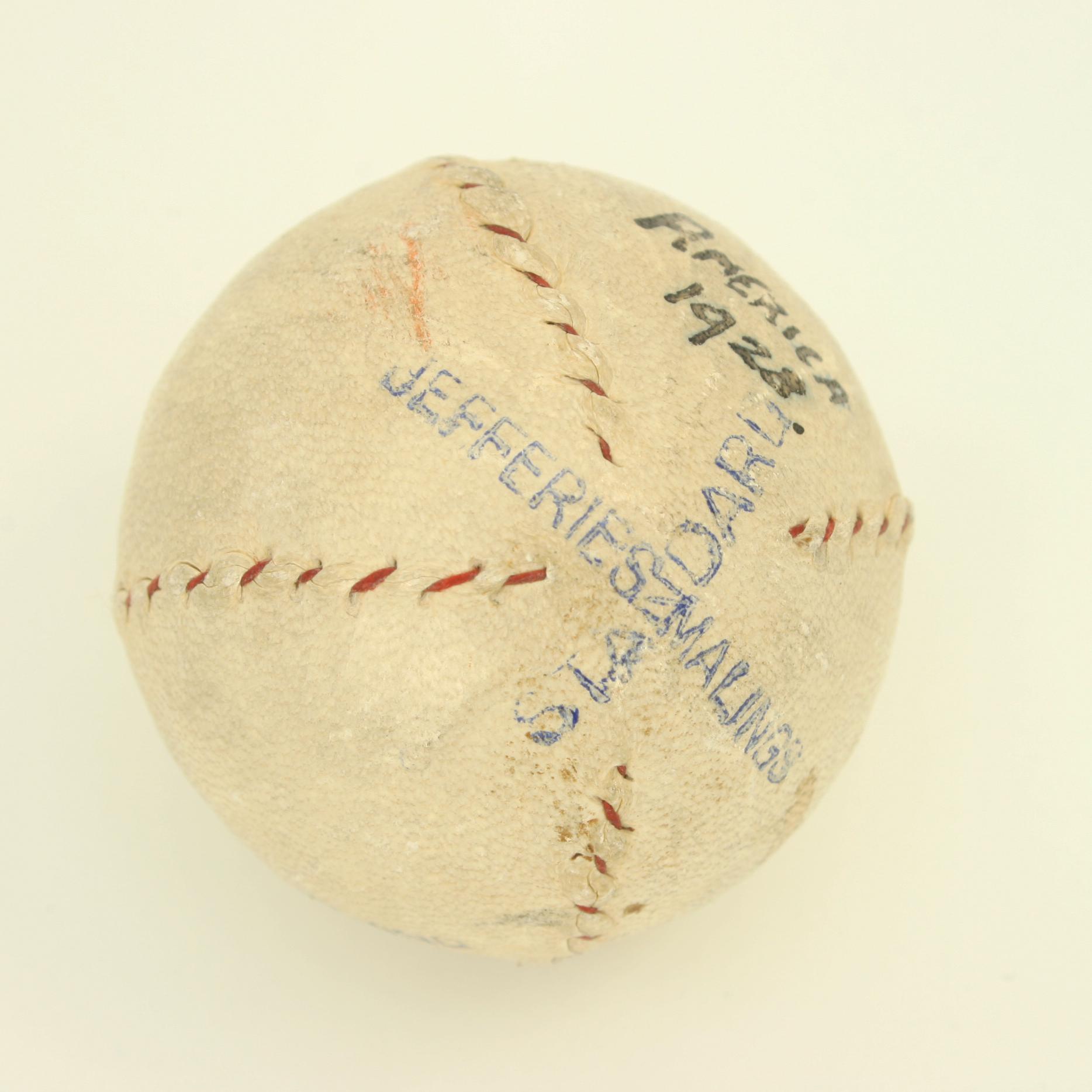
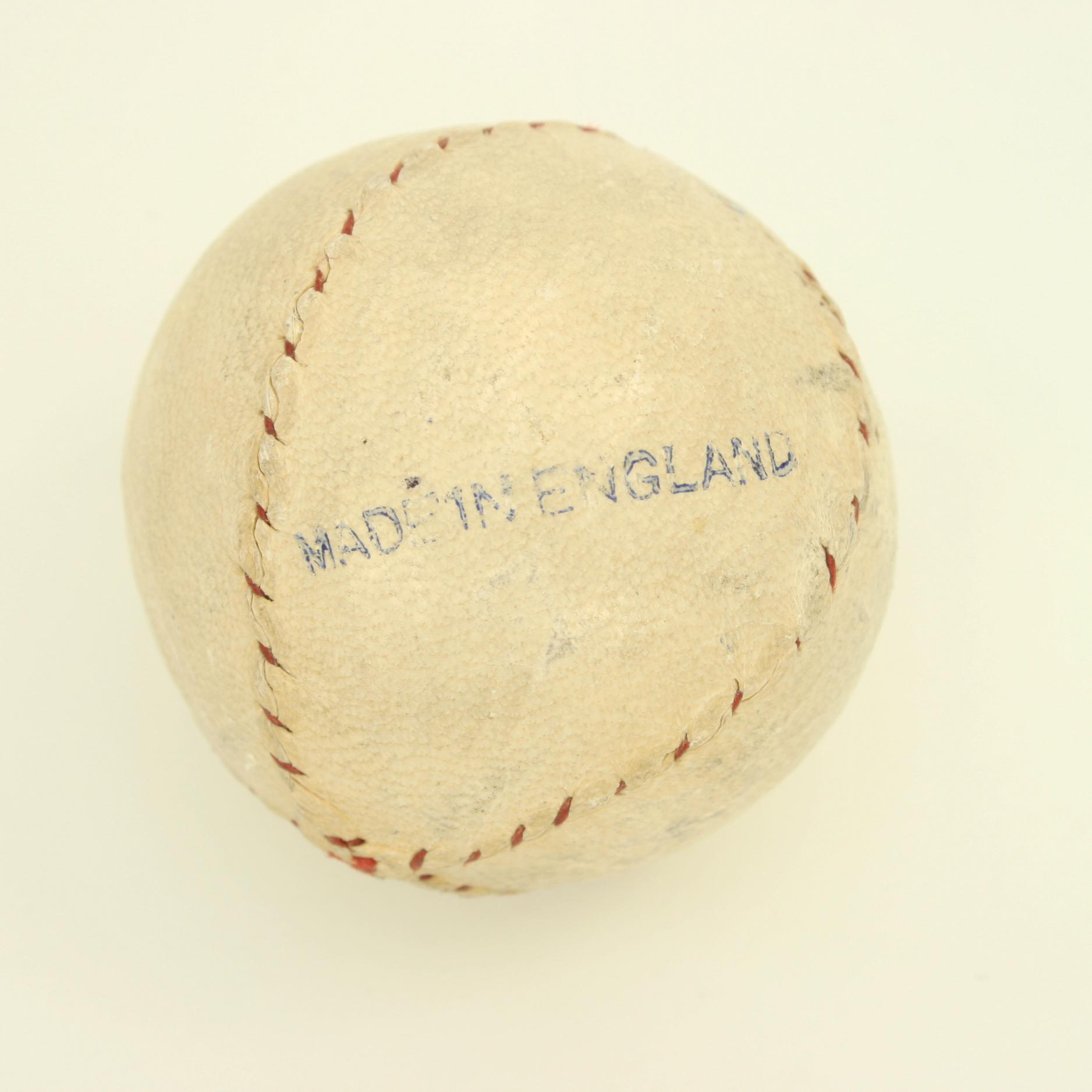
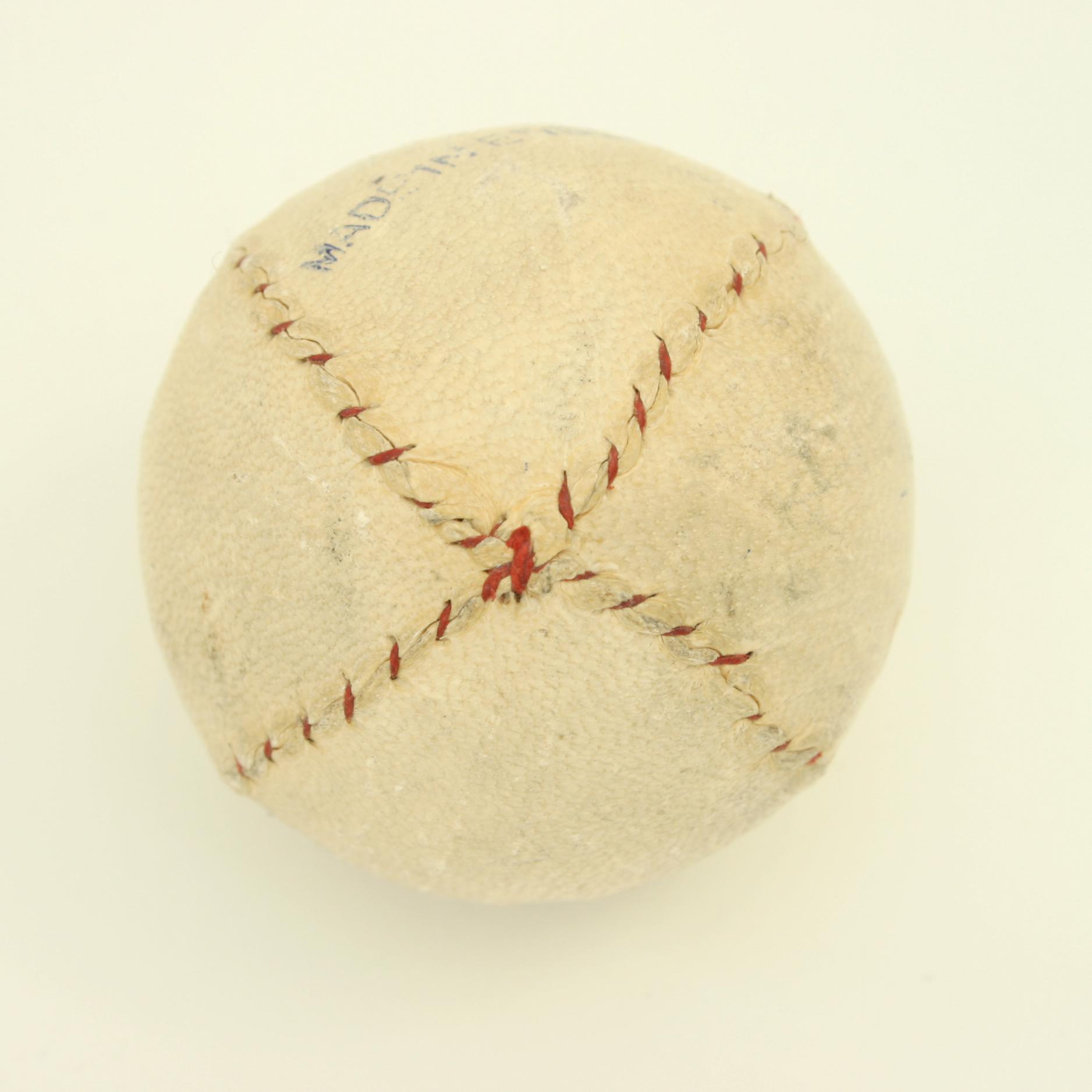
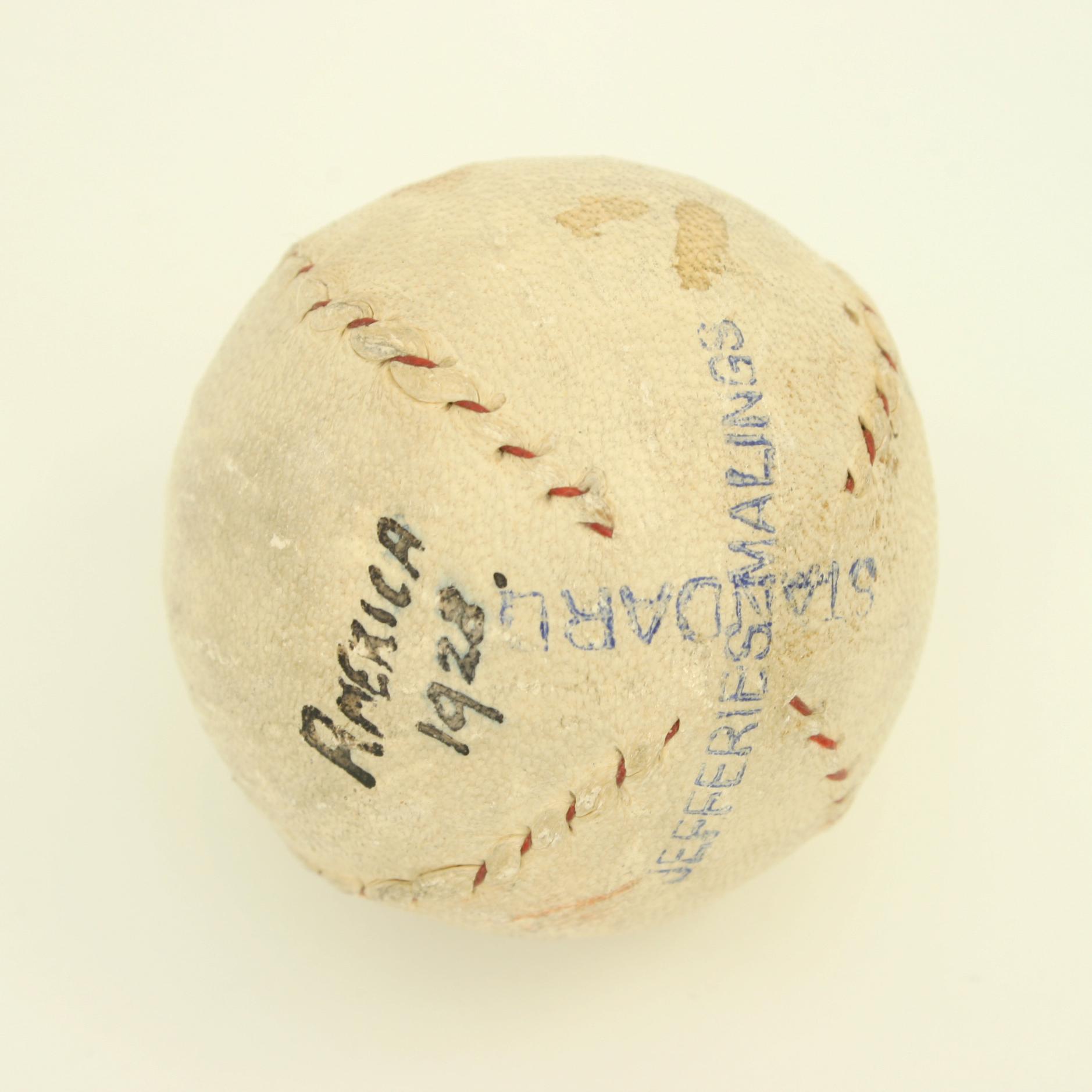
A rare hand made leather ball for the game of fives or racquets made by the well know racket equipment maker 'Jefferies Malings'. The ball has four proud seams and is stamped 'Jefferies Malings, Standard, Made in England' in blue and hand written in ink 'AMERICA 1928'. The ball is in excellent condition.
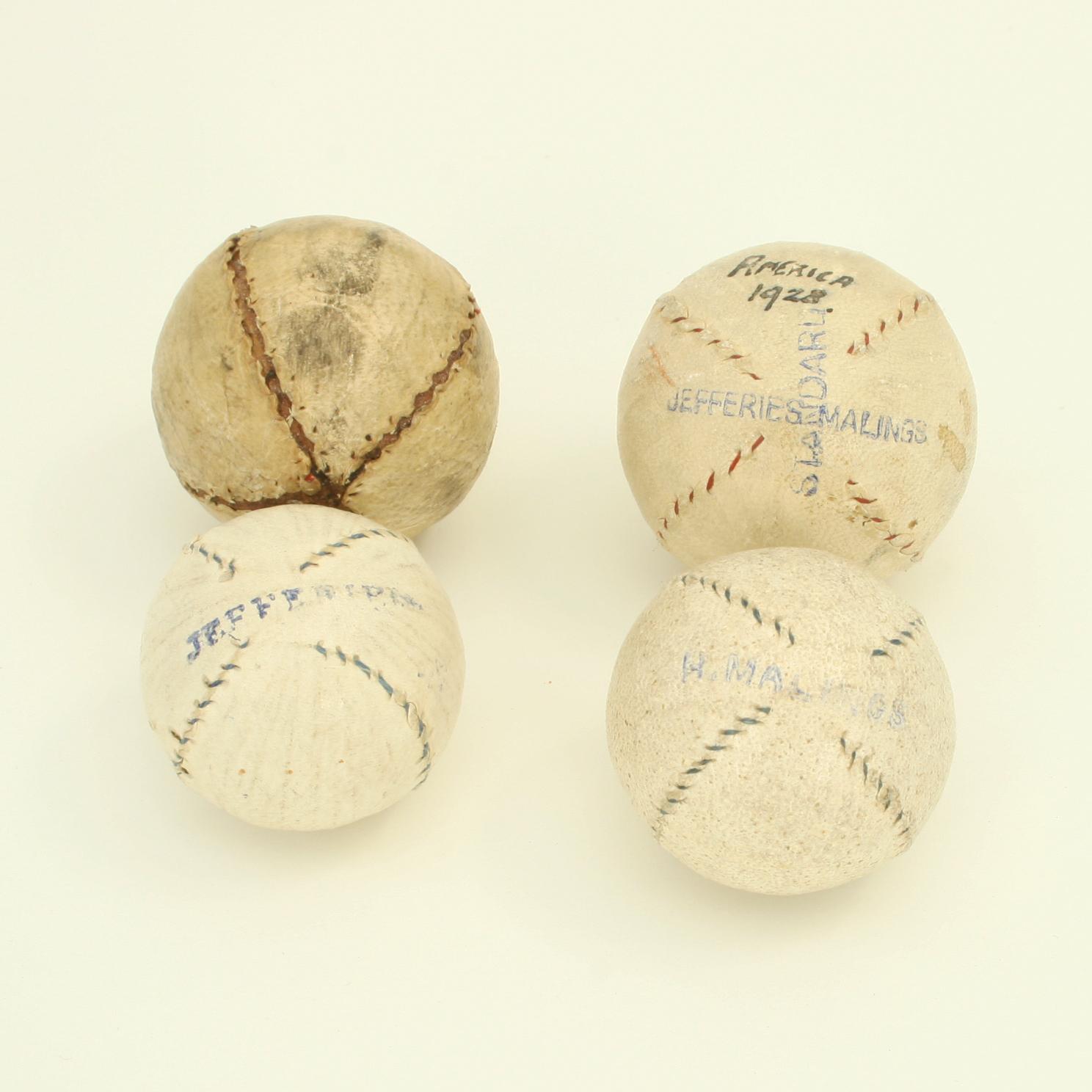
The last image shows this ball with three others that are sold separately. As you can see from the image the two balls at the front are ¼ of an inch smaller than the ones behind.
This type of small leather ball has been confused by many as an original feathery golf ball. The main obvious difference between the two types of ball is the 'Fives' ball is made up of one piece of leather sewn with four external seams, whilst the 'Feathery' has two or even three pieces of leather with internal stitching.
Malings and Jefferies both have a long history in the racket sport industry.
Jefferies & Co. was based in Woolwich and was one of the earliest racket manufacturers in England, they are known to have produced the original rackets for Major Wingfield's invention of his game called 'sphairistike', later called by it's more well known and loved name of Lawn Tennis.
Fives is more or less the game of Racquets but played with the hand, hence the name 'Fives' associated with the five fingers. Fives was popular in English schools and was played against walls in the grounds by the school boys. There are two main versions of the game, notably Eton Fives and Rugby Fives.
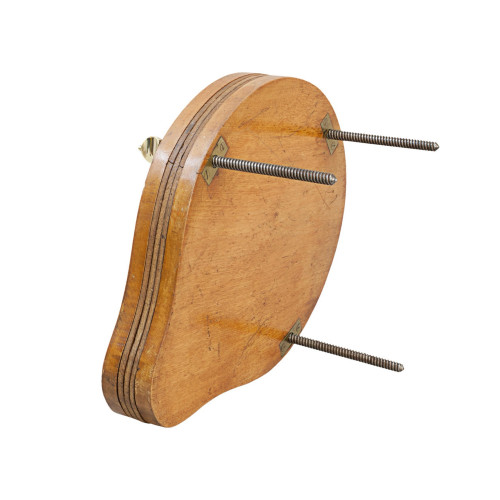
Racquet and Fives balls are constructed by hand with a center made of cork. This cork is then wound with pure wool strips and the bounce of the ball depends totally on how tightly the ball was originally wound. The ball is manufactured whilst it is wet, made larger than needed and shrunk later by drying. After the strips the ball is wound with equal layers of yarn tightly stretched and worked all round the ball making sure to keep its round shape and occasionally, as the ball evolves, it is put into a press with cups of the right size and pressed. The ball is then placed into a drying room and allowed to dry naturally for around five weeks before being baked in a warm oven. The ball is then ready to go to be finished. The ball is again wound with yarn but instead of twisting the ball and winding round and round, it is wound straight, first in one direction and then at right angles. The press is again used from time to time and the ball is the replaced in the oven to remove any moisture. The ball is now ready to be sent to the home workers to be covered. The cover is made from the best sheepskin, and is cut into squares of regulation size for the ball required, be it Fives or Rackets. The skins are soaked, the ball is then placed in the center of the square and the four corners are joined together at the top. The waste skin is cut off and removed and the seams are then stitched up as close as possible. As the skin dries it will shrink creating a good solid ball. The seams are on the outside of the ball and as such require rolling to press the seams down. They are placed into a grooved base with a similar top with a handle being placed over the balls, squashing the balls between the two plates. The top is then turned by the handle first one way and then the other, all the while the balls are having their seams pressed.
Dimensions:
1900-1949
C. 1920
United Kingdom
Very good.
RELATED ITEMS







 or Fives Ball.A rare hand made leather ball for the game of fives or racquets made by the well know racket equipment maker 'Jefferies Malings'. The ball has four proud seams and is stamped 'Jefferies Malings, Standard, Made in England' in blue and hand written in ink 'AMERICA 1928'. The ball is in excellent condition.The last image shows this ball with three others that are sold separately. As you can see from the image the two balls at the front are ¼ of an inch smaller than the ones behind.This type of small leather ball has been confused by many as an original feathery golf ball. The main obvious difference between the two types of ball is the 'Fives' ball is made up of one piece of leather sewn with four external seams, whilst the 'Feathery' has two or even three pieces of leather with internal stitching.Malings and Jefferies both have a long history in the racket sport industry. Jefferies & Co. was based in Woolwich and was one of the earliest racket manufacturers in England, they are known to have produced the original rackets for Major Wingfield's invention of his game called 'sphairistike', later called by it's more well known and loved name of Lawn Tennis.Fives is more or less the game of Racquets but played with the hand, hence the name 'Fives' associated with the five fingers. Fives was popular in English schools and was played against walls in the grounds by the school boys. There are two main versions of the game, notably Eton Fives and Rugby Fives.Racquet and Fives balls are constructed by hand with a center made of cork. This cork is then wound with pure wool strips and the bounce of the ball depends totally on how tightly the ball was originally wound. The ball is manufactured whilst it is wet, made larger than needed and shrunk later by drying. After the strips the ball is wound with equal layers of yarn tightly stretched and worked all round the ball making sure to keep its round shape and occasionally, as the ball evolves, it is put into a press with cups of the right size and pressed. The ball is then placed into a drying room and allowed to dry naturally for around five weeks before being baked in a warm oven. The ball is then ready to go to be finished. The ball is again wound with yarn but instead of twisting the ball and winding round and round, it is wound straight, first in one direction and then at right angles. The press is again used from time to time and the ball is the replaced in the oven to remove any moisture. The ball is now ready to be sent to the home workers to be covered. The cover is made from the best sheepskin, and is cut into squares of regulation size for the ball required, be it Fives or Rackets. The skins are soaked, the ball is then placed in the center of the square and the four corners are joined together at the top. The waste skin is cut off and removed and the seams are then stitched up as close as possible. As the skin dries it will shrink creating a good solid ball. The seams are on the outside of the ball and as such require rolling to press the seams down. They are placed into a grooved base with a similar top with a handle being placed over the balls, squashing the balls between the two plates. The top is then turned by the handle first one way and then the other, all the while the balls are having their seams pressed.)