Antique Golf Club, Urquhart Adjustable Patent
Antique Golf Club, Urquhart Adjustable Patent
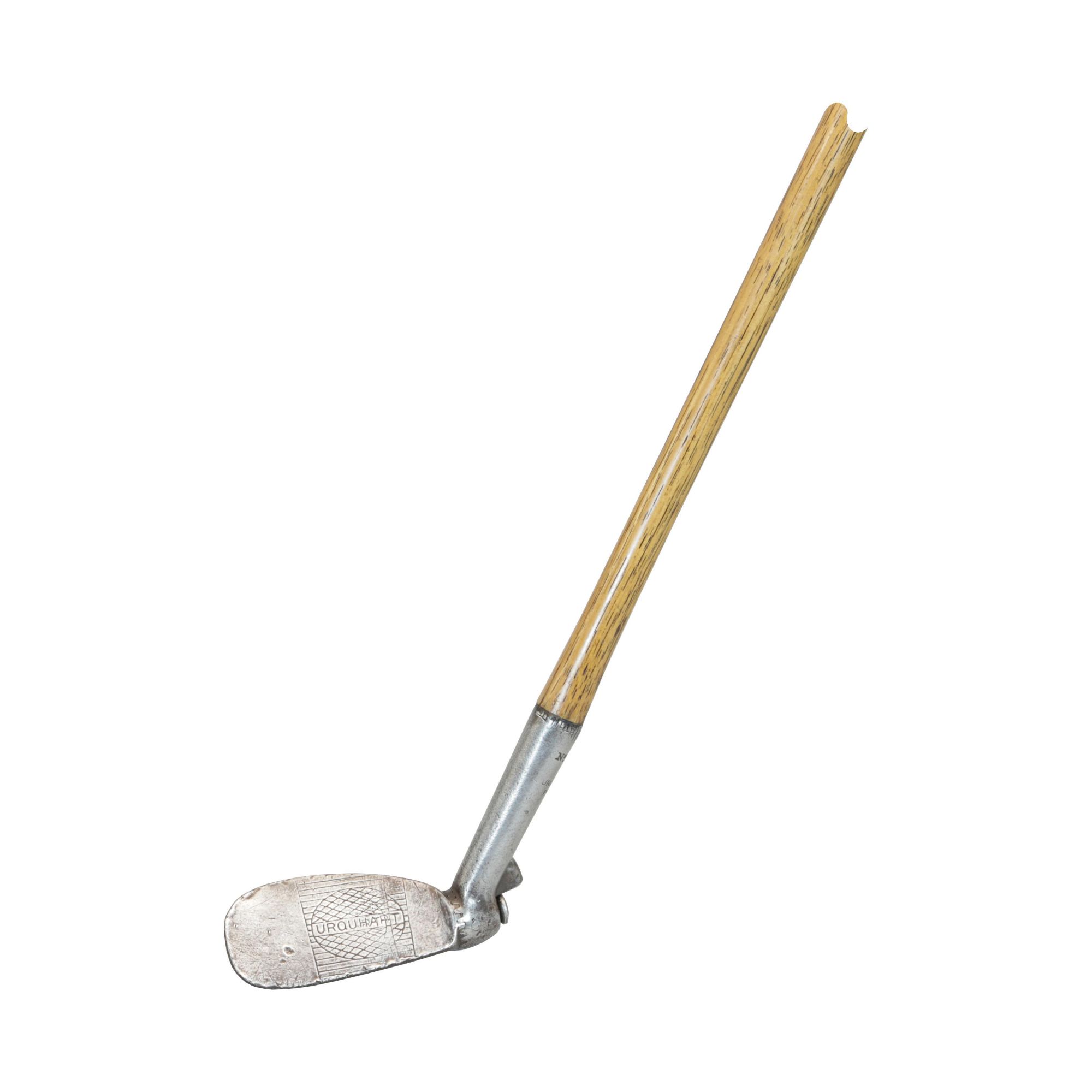
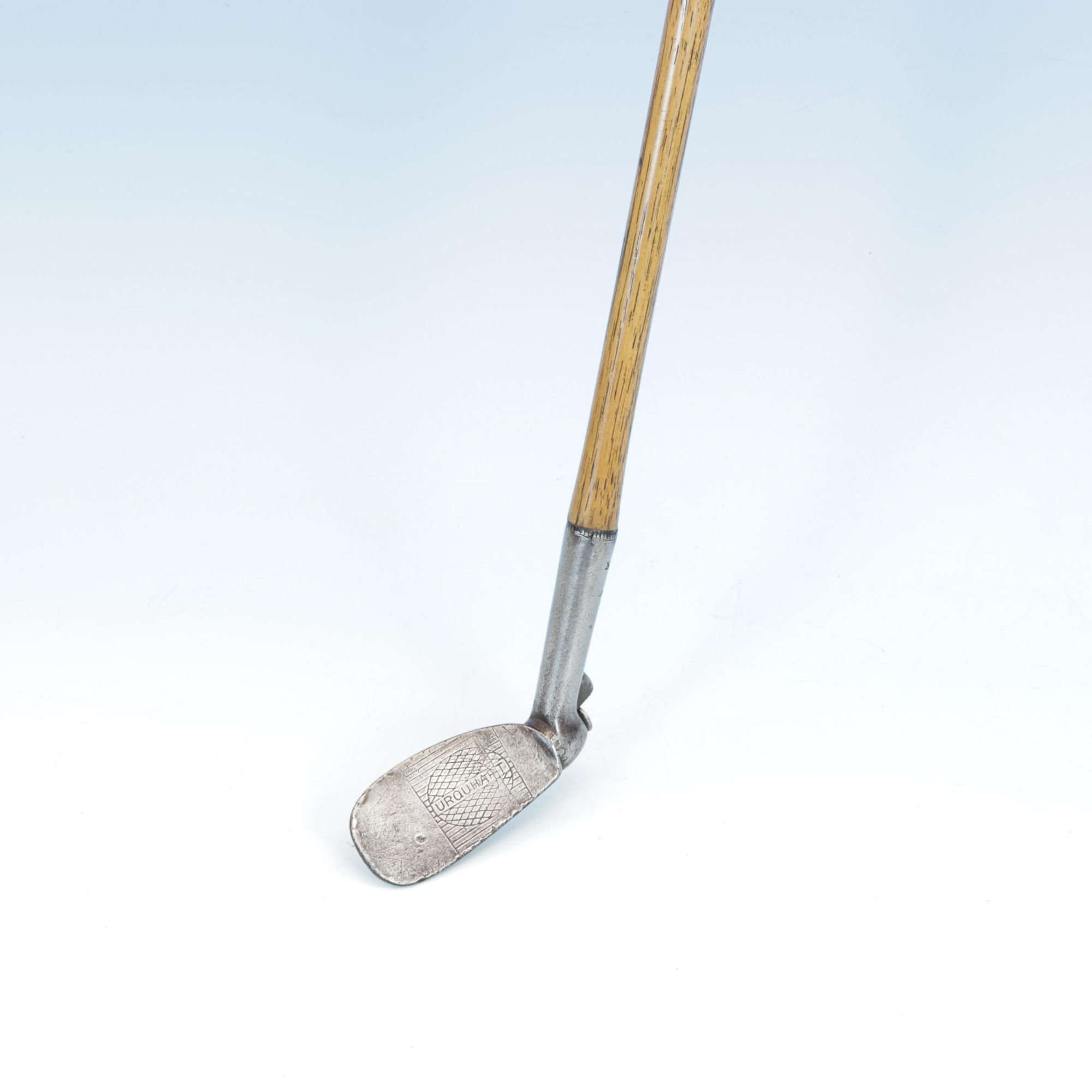
Antique Patent Adjustable Iron Golf Club by Urquhart.
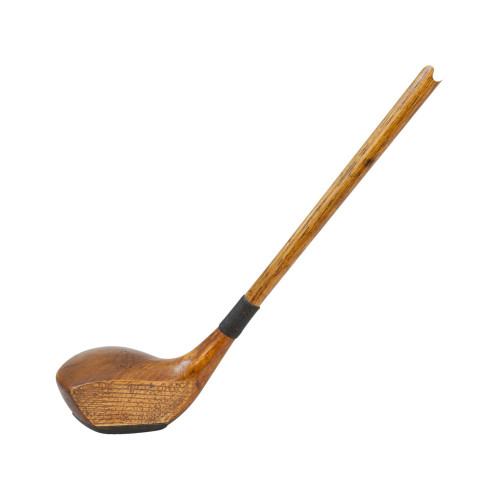
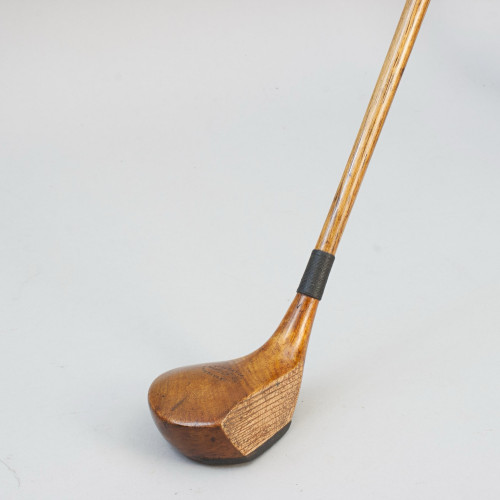
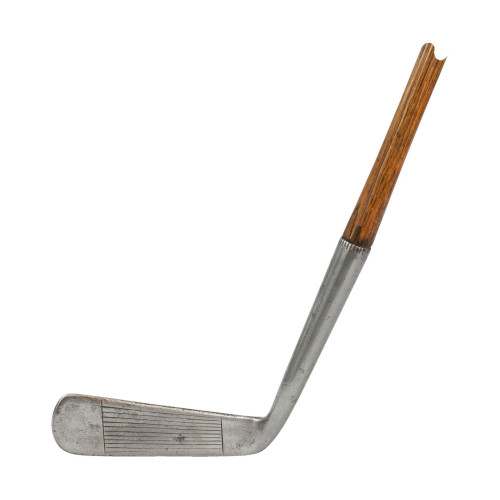
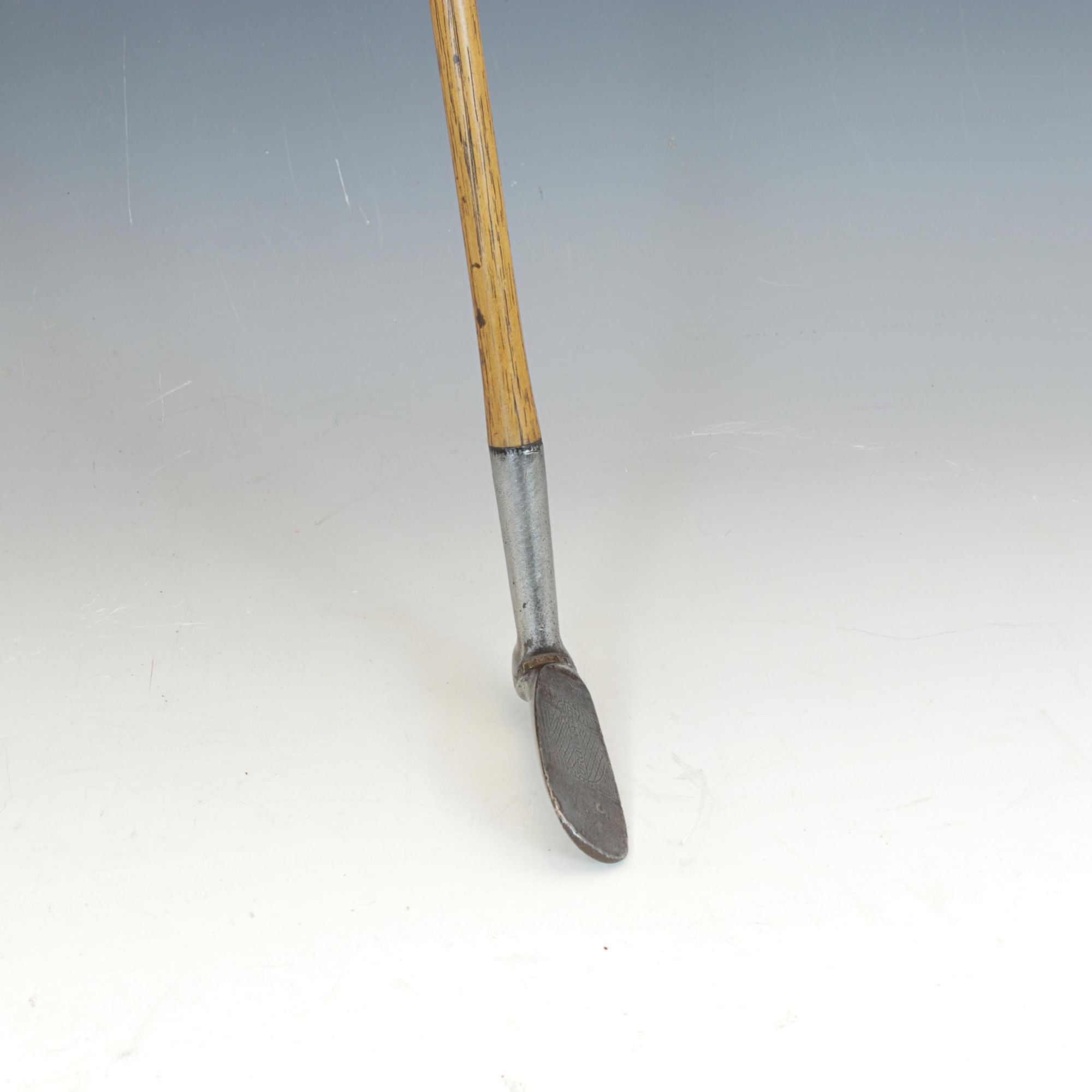
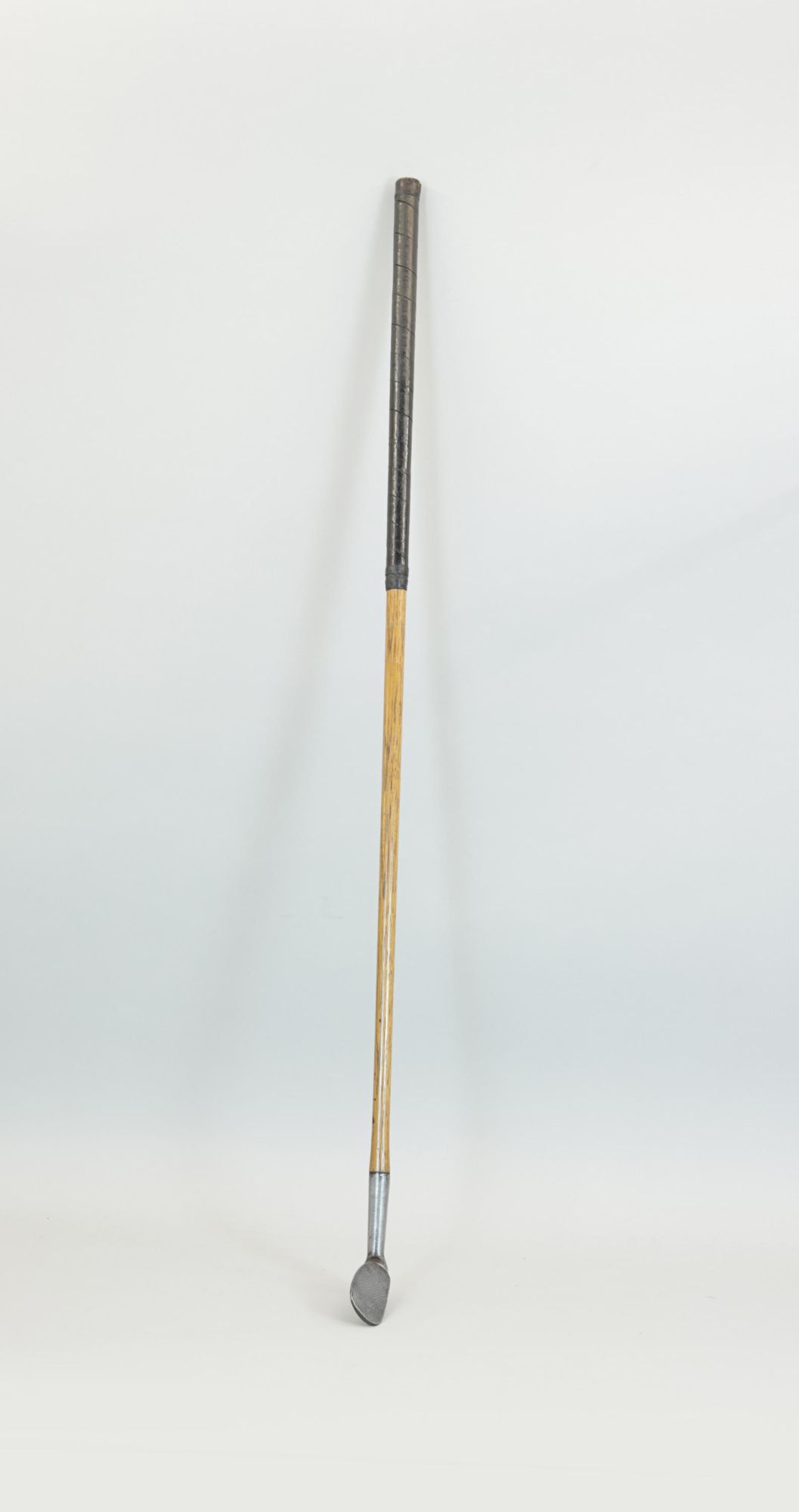
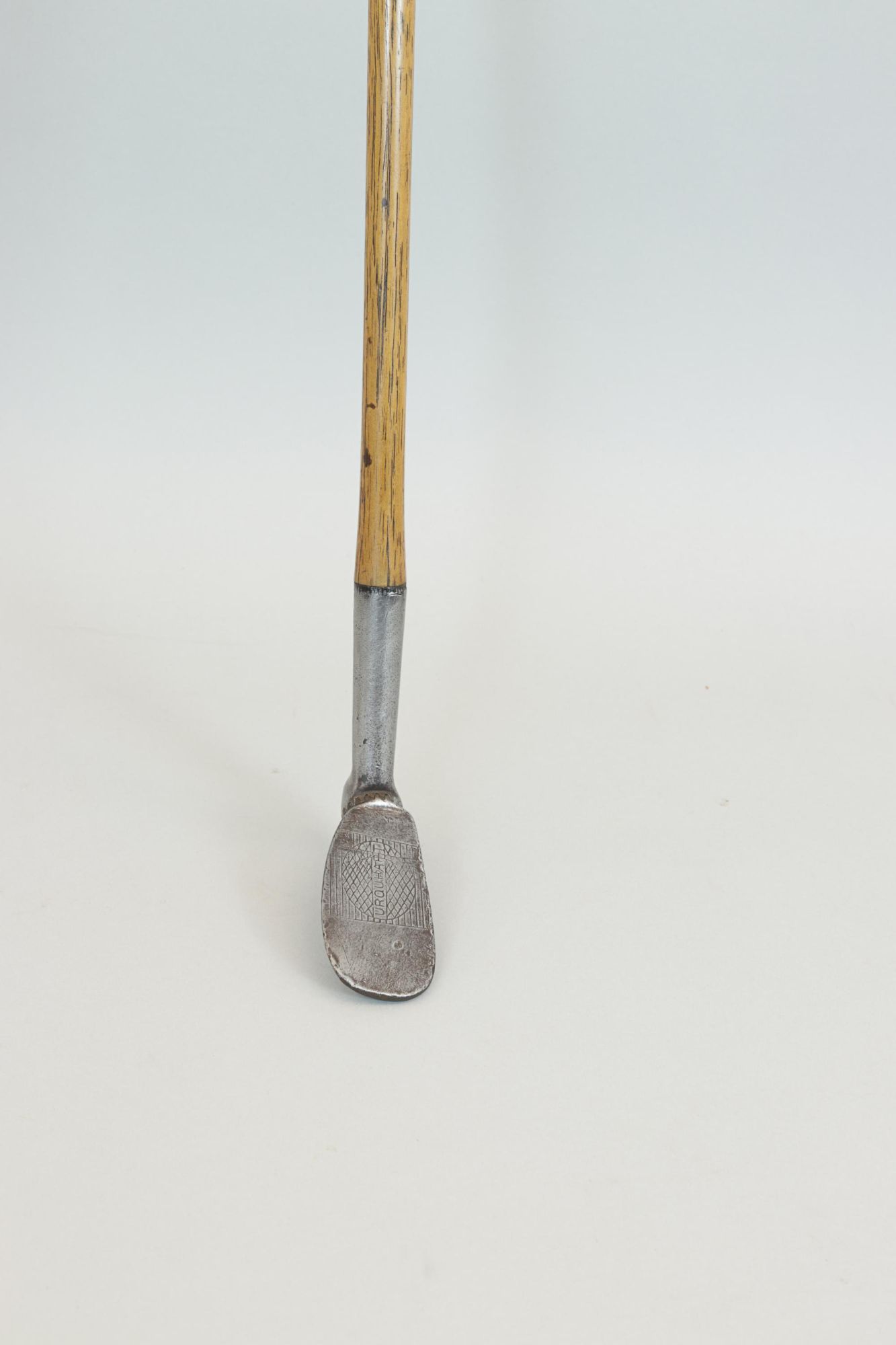
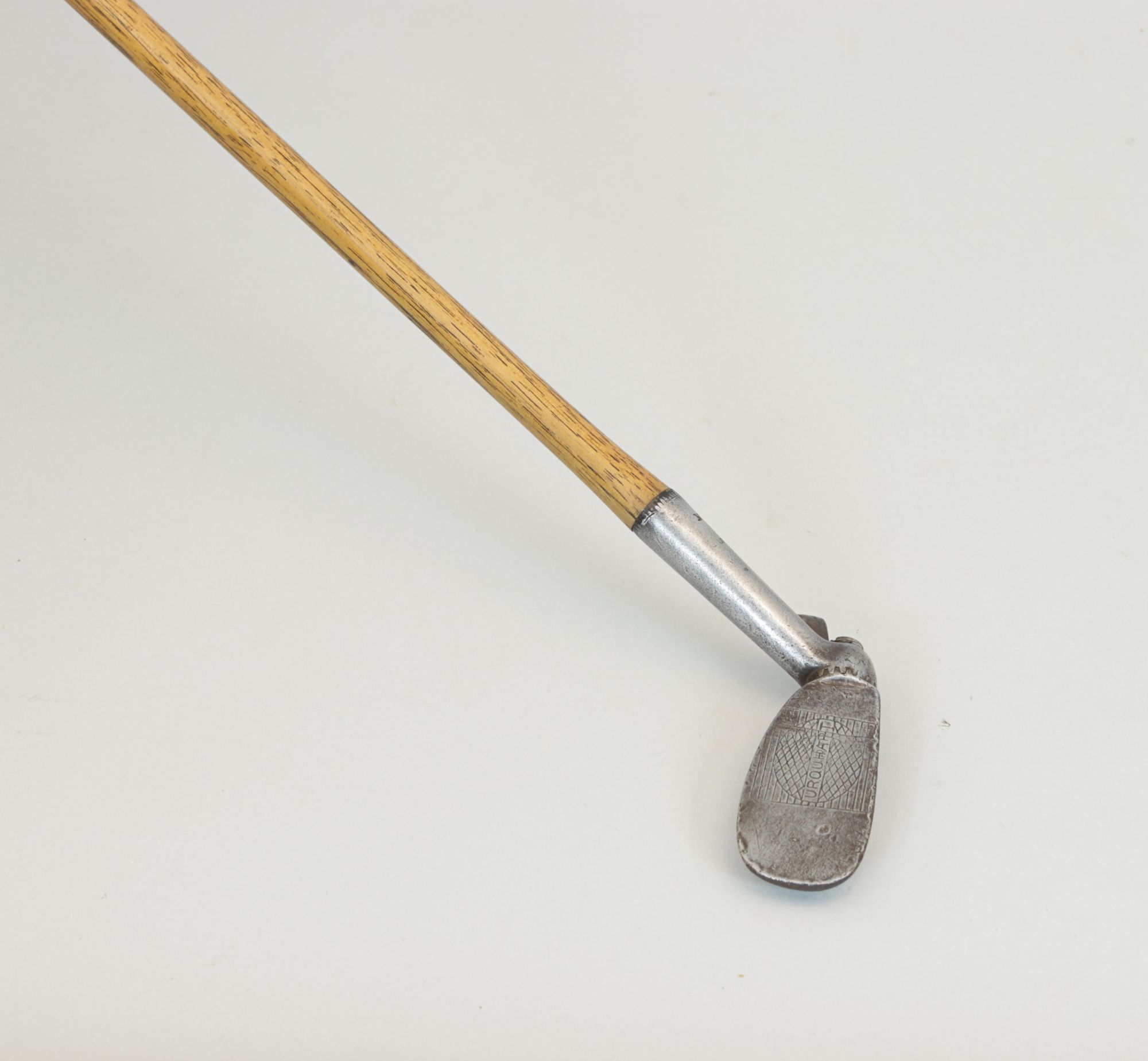
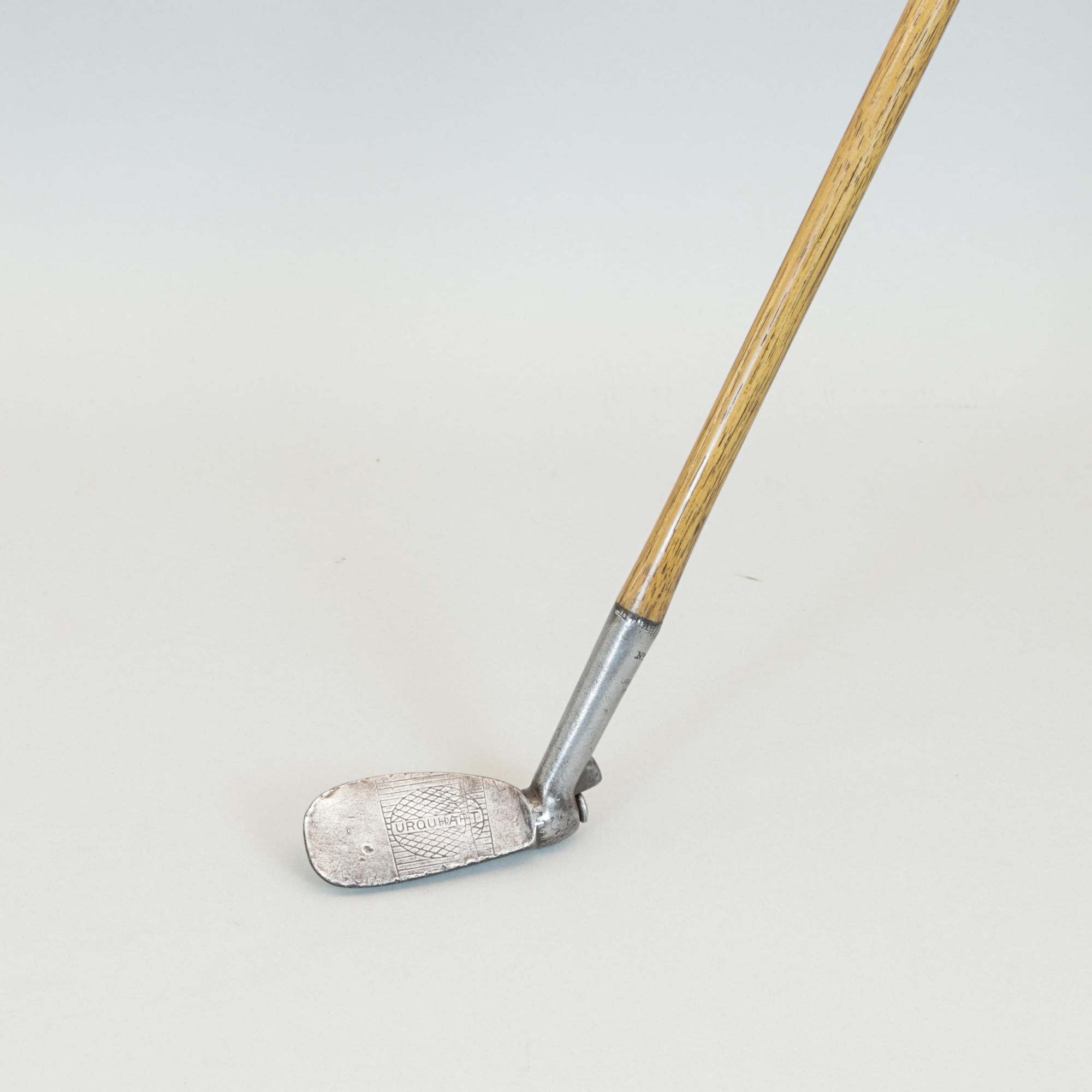
A fine example of an antique patent adjustable golf club by Robert Lish Urquhart, fitted with a hickory shaft and preserved in excellent condition. Dating from the pioneering period of late nineteenth-century golf club development, this ingenious club represents one of the most inventive attempts to provide a golfer with the versatility of several clubs in a single, highly practical design.
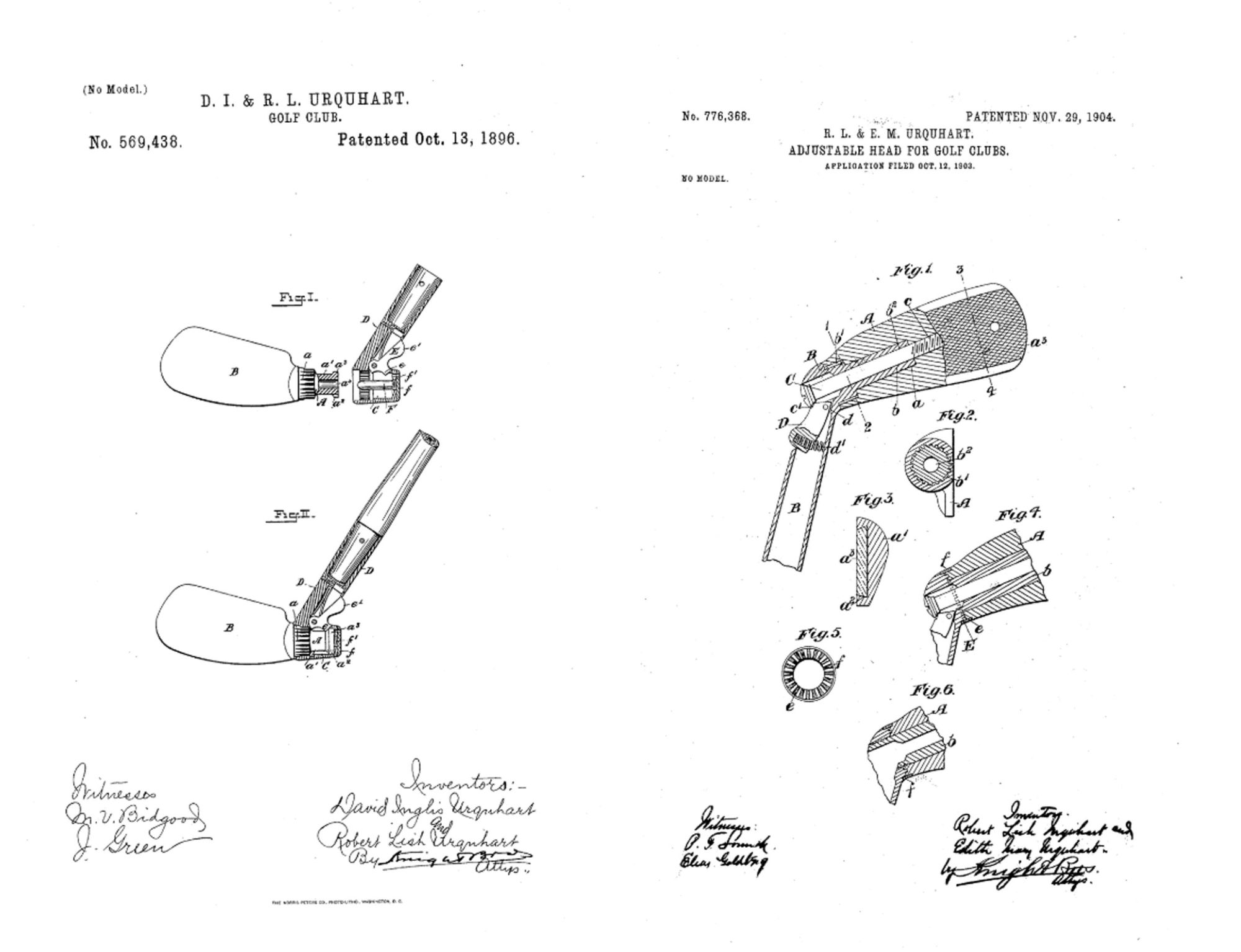
Robert Lish Urquhart was the first to patent an adjustable-loft iron, with British Patent No. 8,176, dated 30 April 1892. The Urquhart design was subsequently refined through further patents, reflecting the considerable experimentation that went into developing a reliable adjustable club.
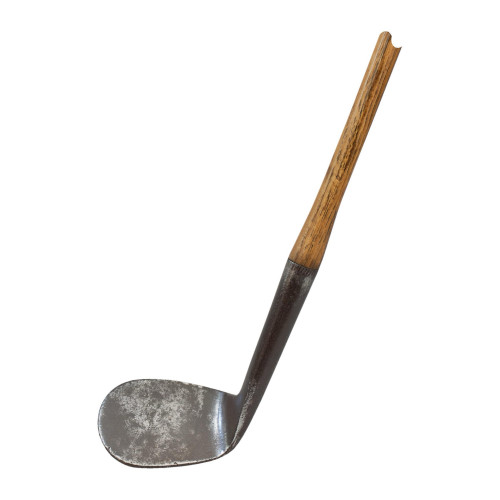
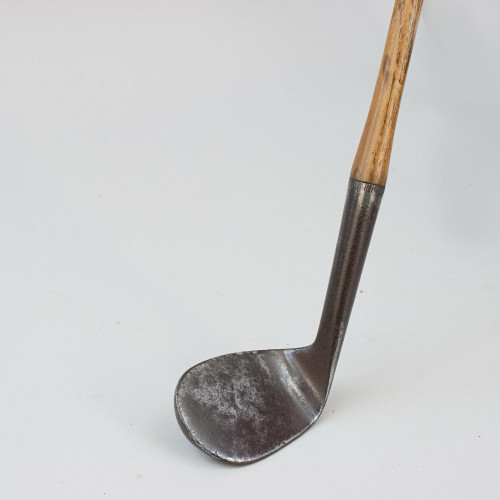
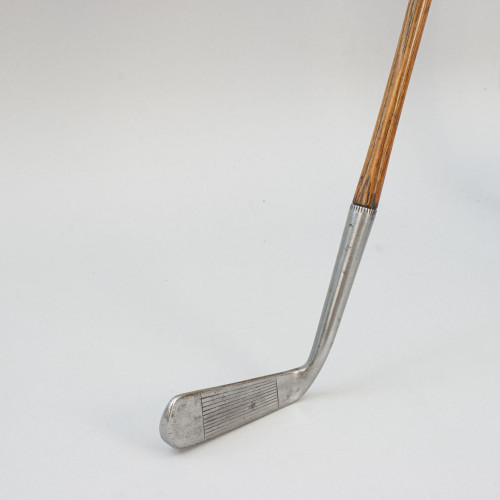
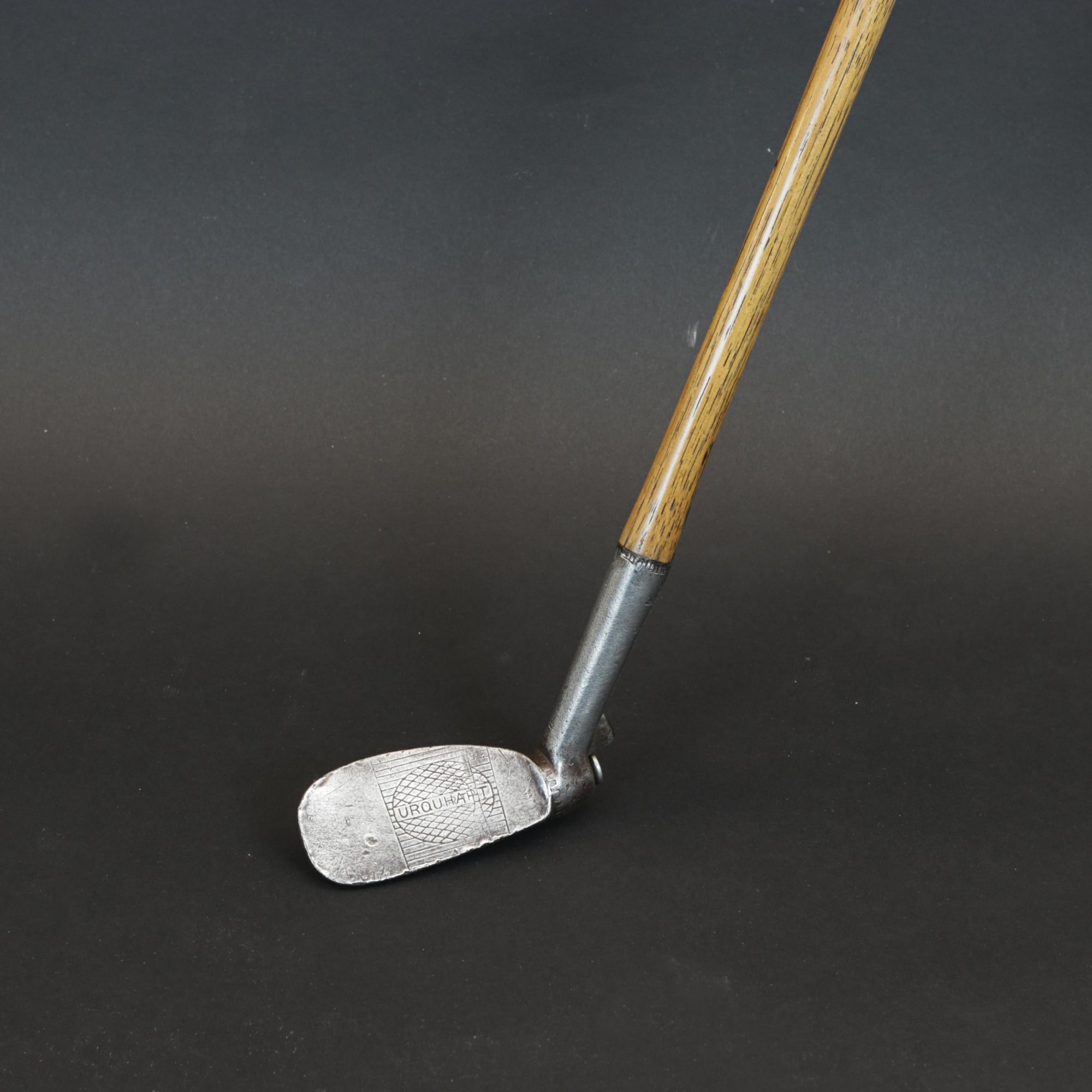
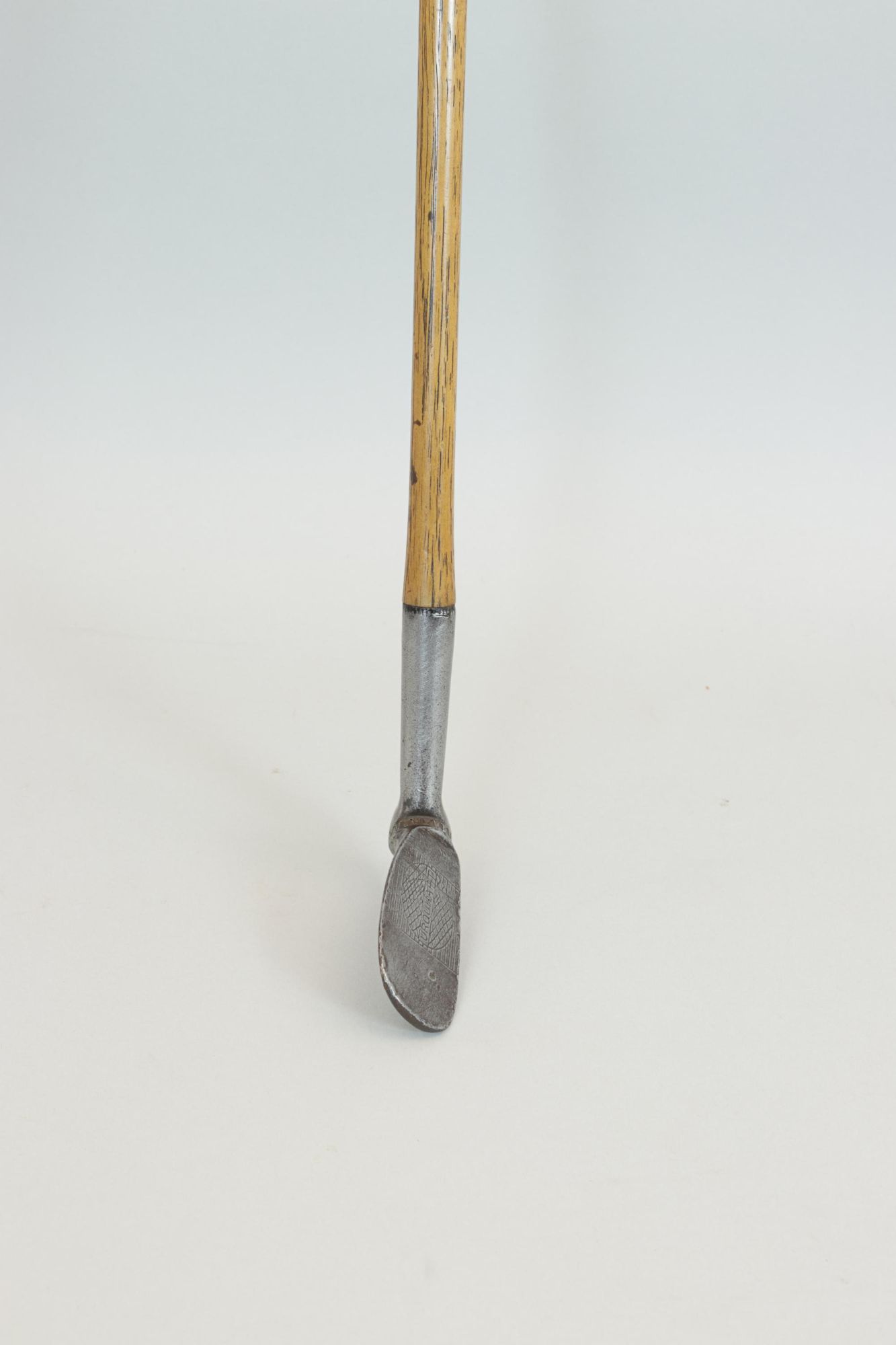
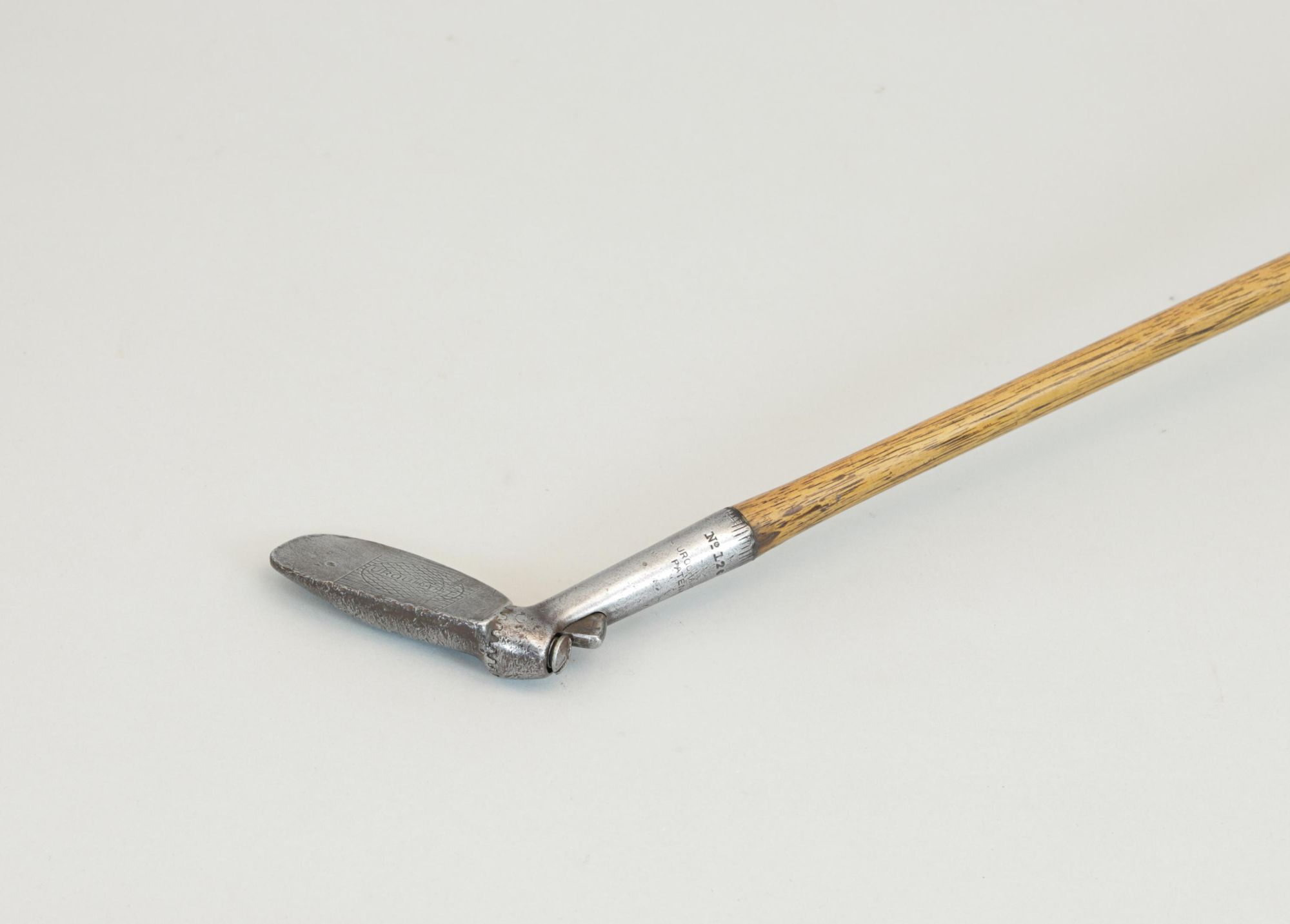
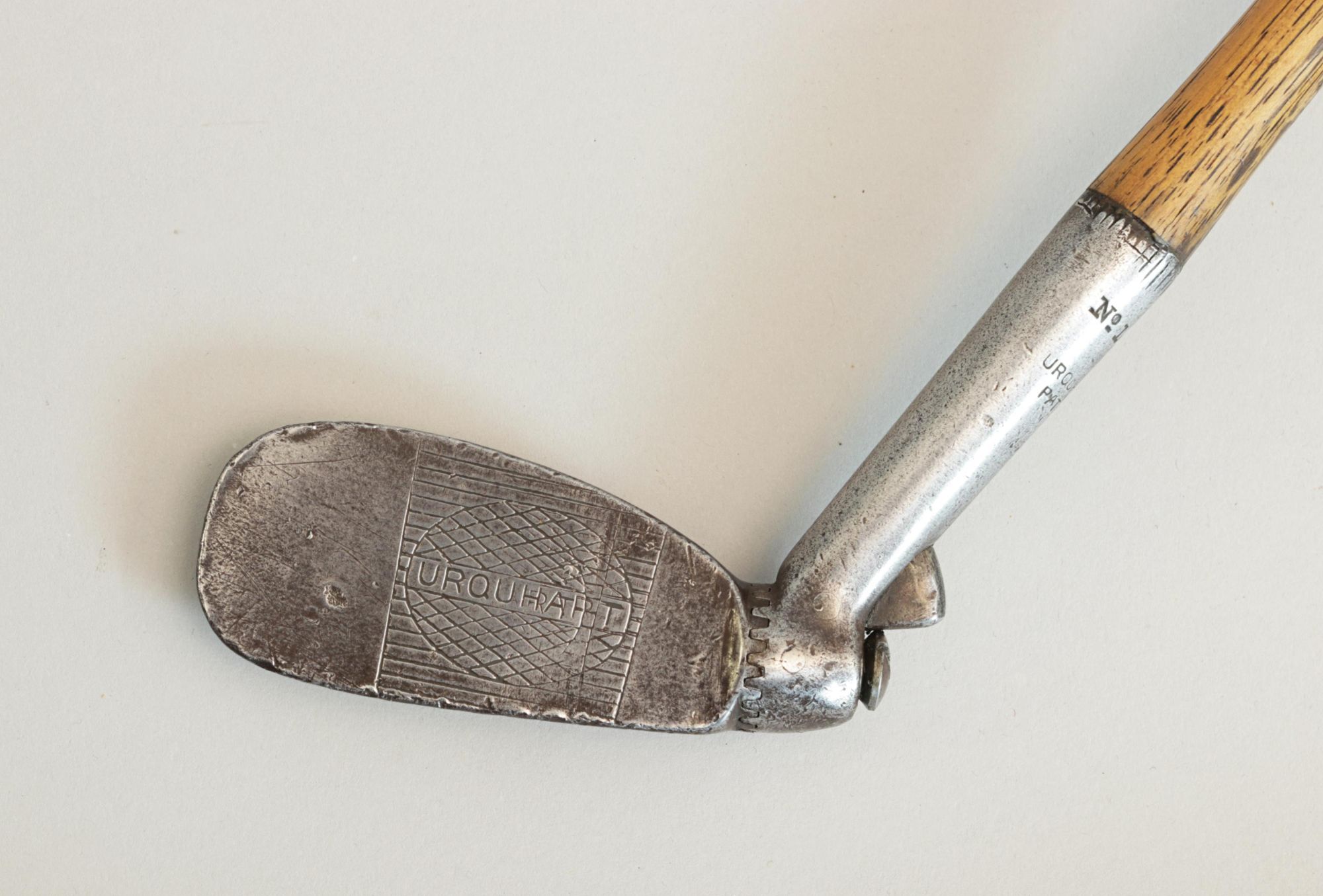
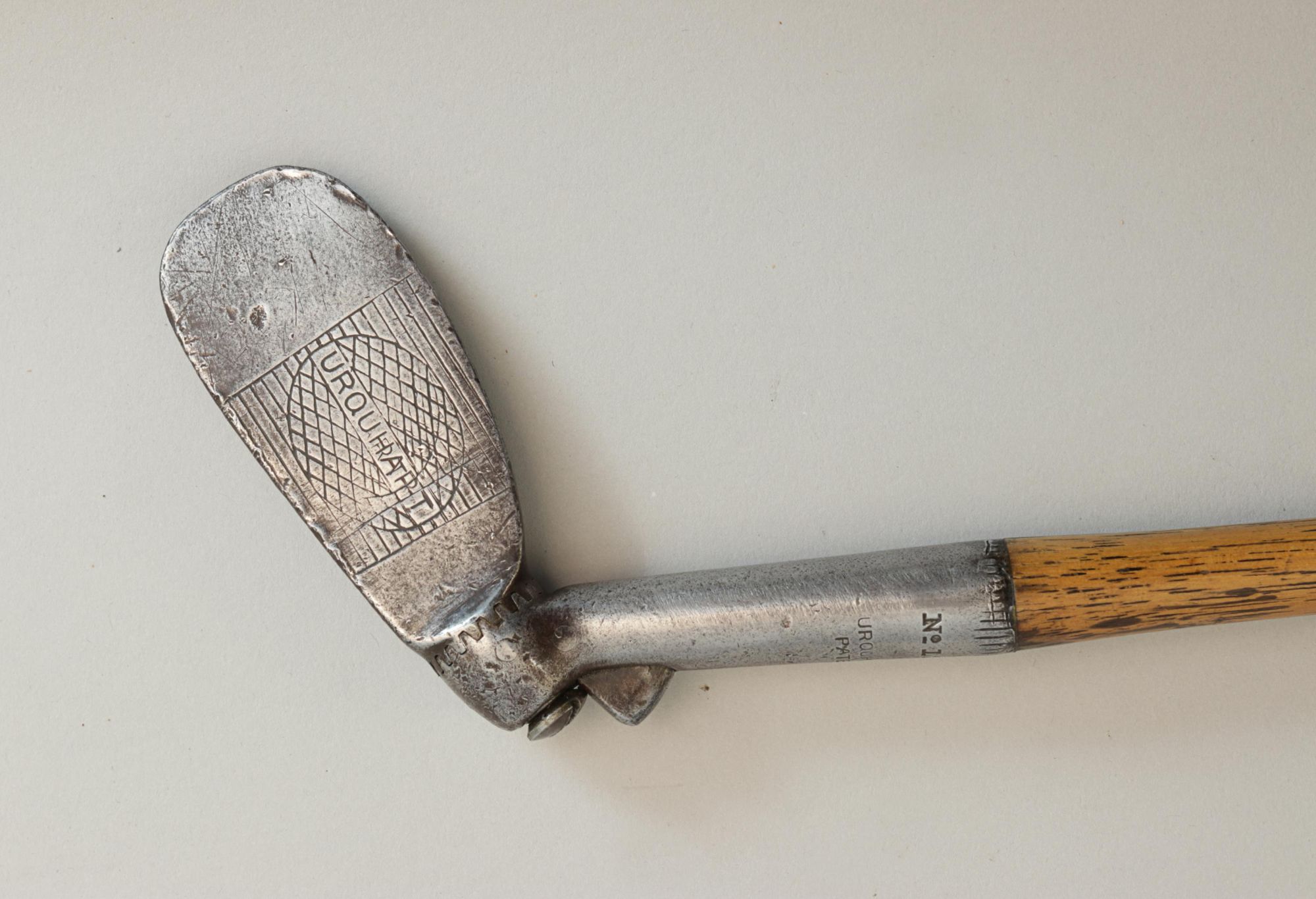
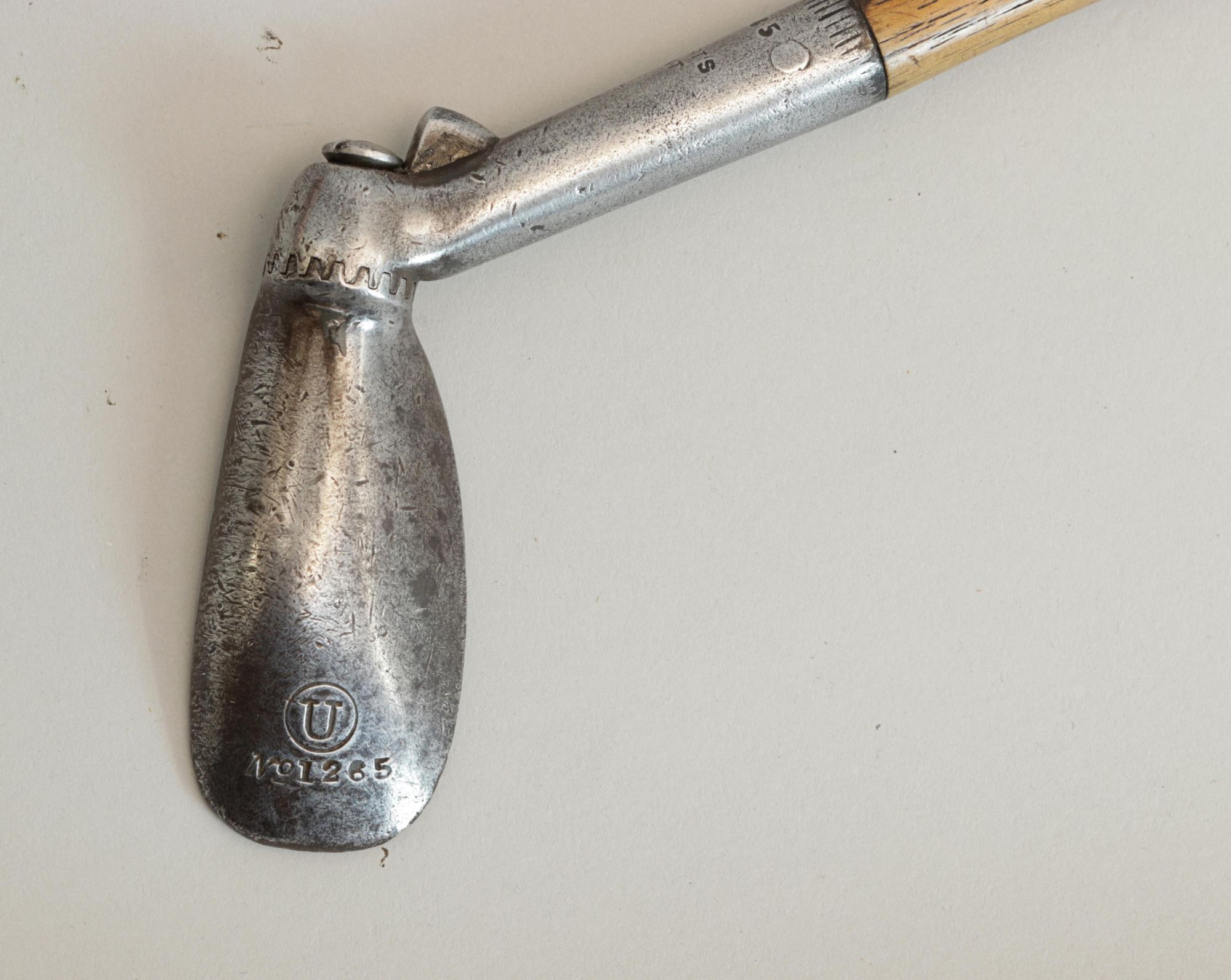
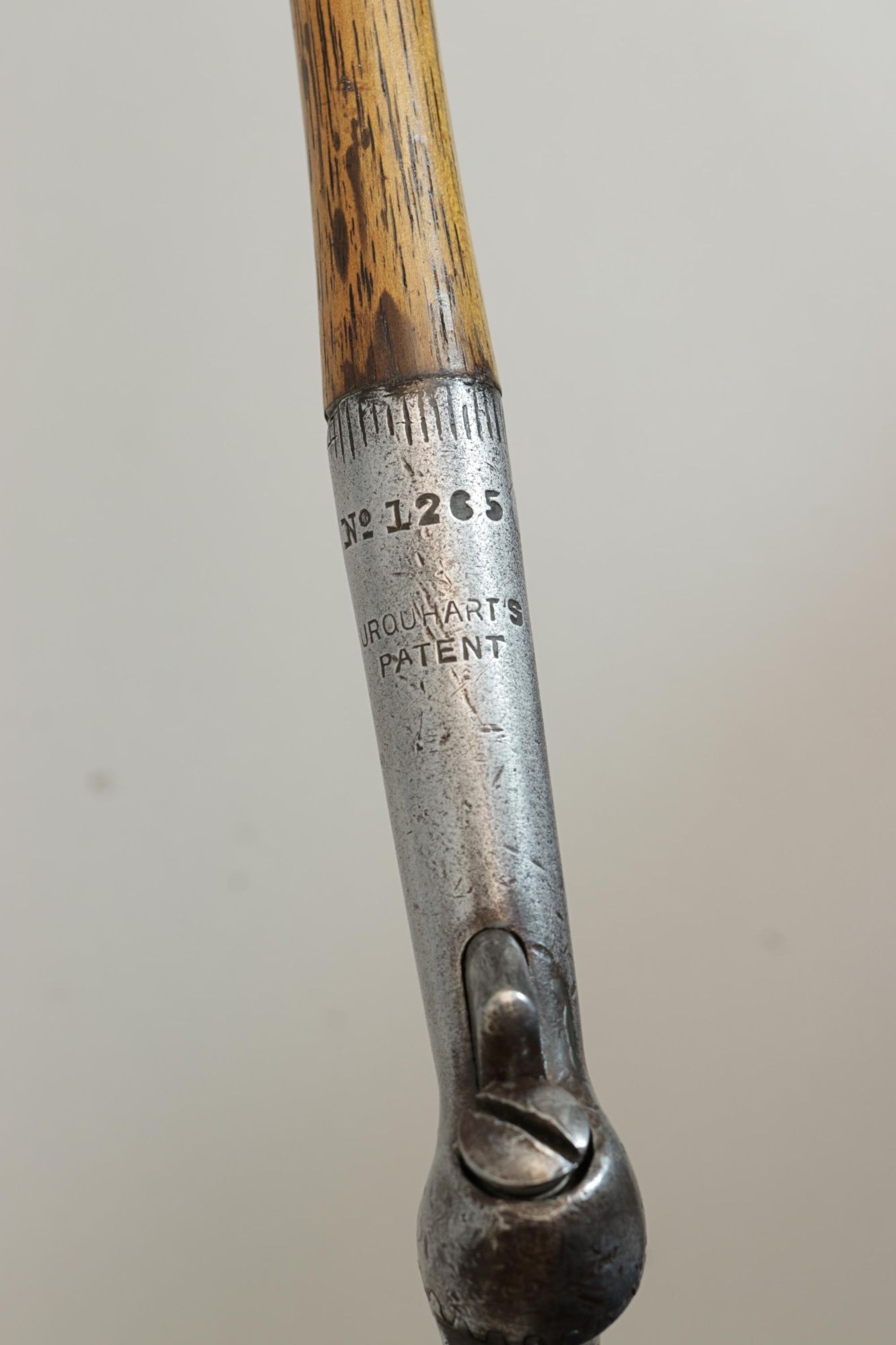
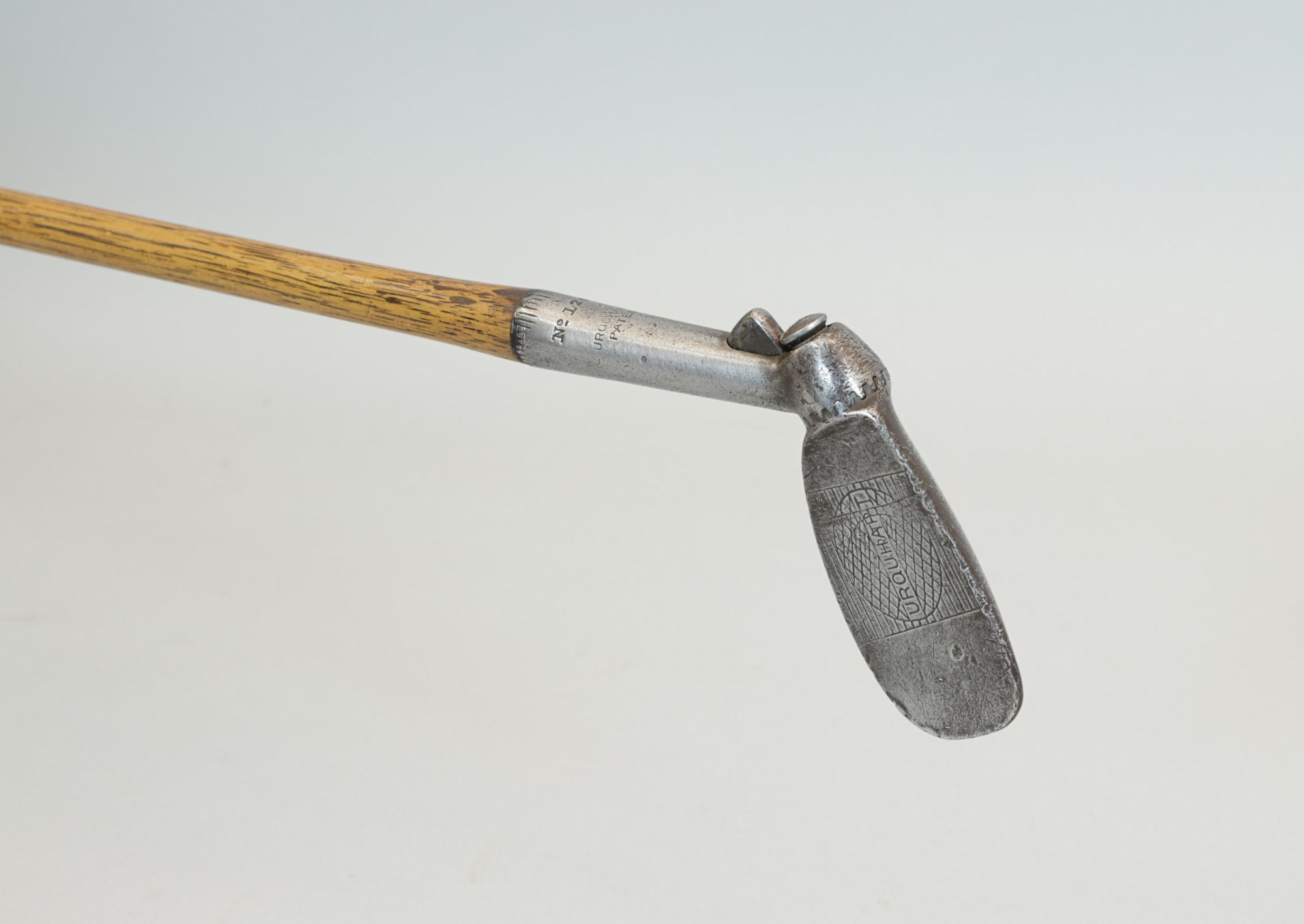
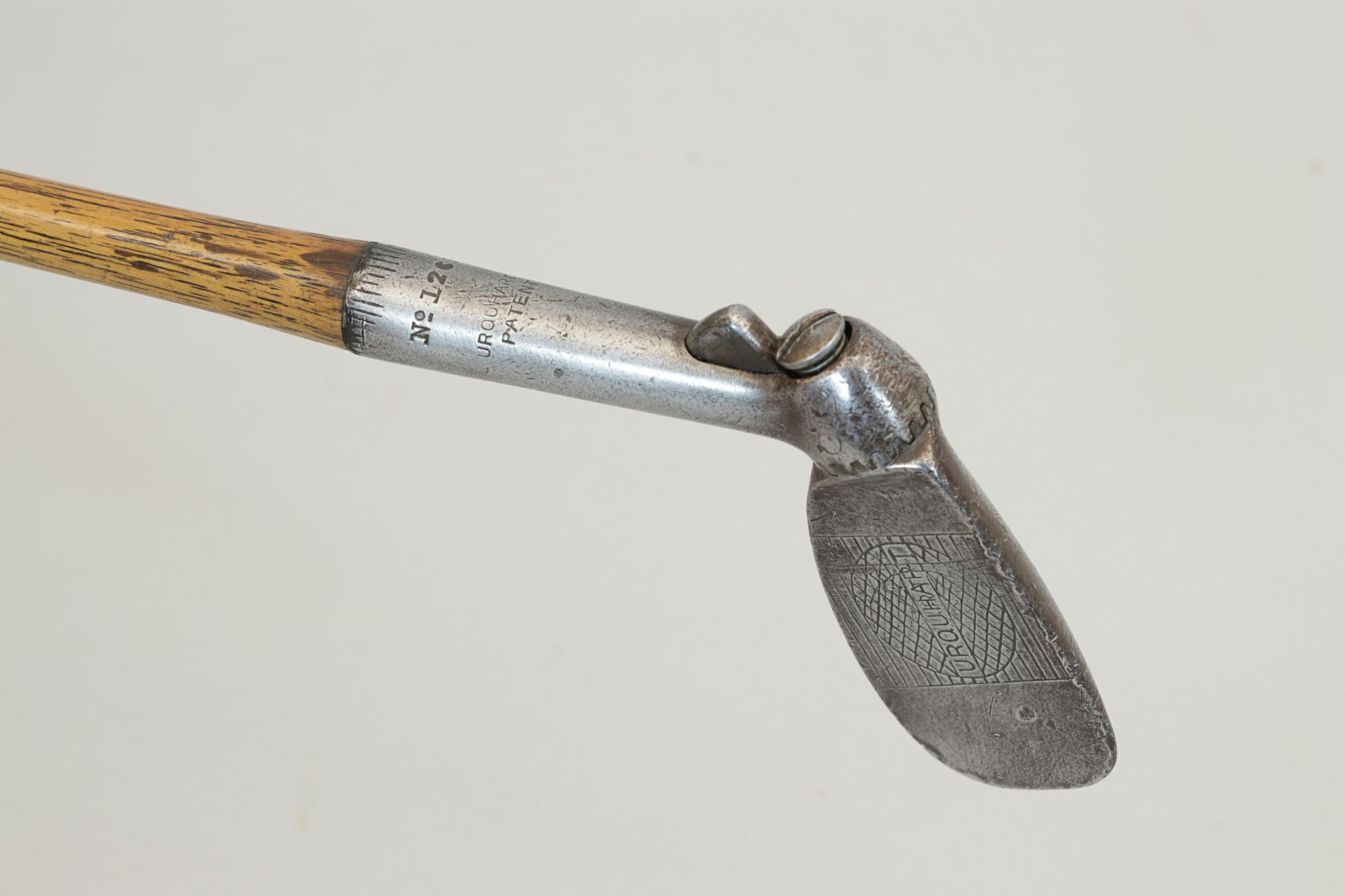
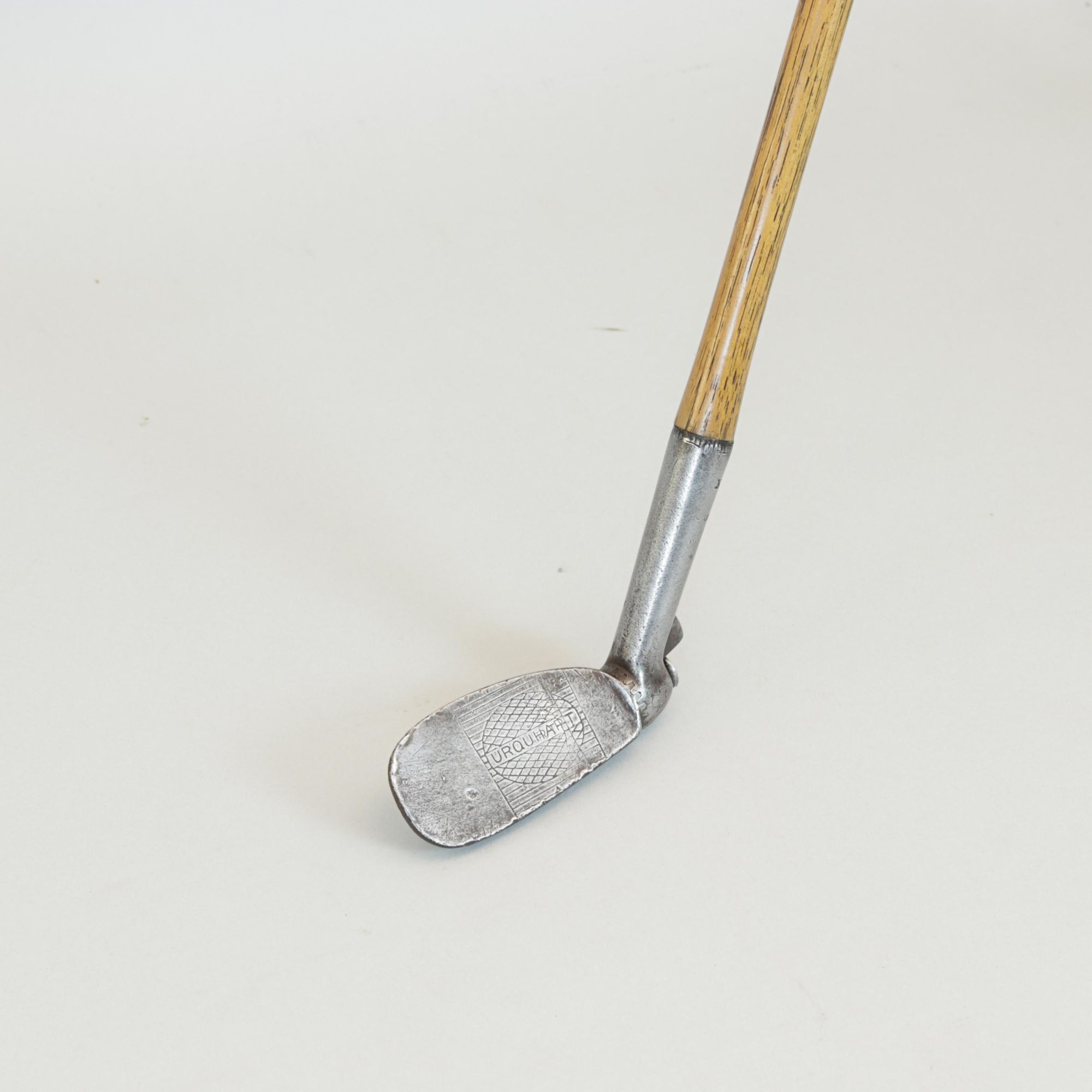
The blade has a distinctive low profile, with a pronounced hump running across the back, giving the club a particularly characteristic appearance. The face is marked with traditional score lines, with a central circular panel containing a criss-cross pattern and the name "URQUHART". On the back of the toe is Urquhart's trademark, a "U" within a circle, together with the production number 1265. The same number appears on the rear of the hosel, alongside the Urquhart patent marking.
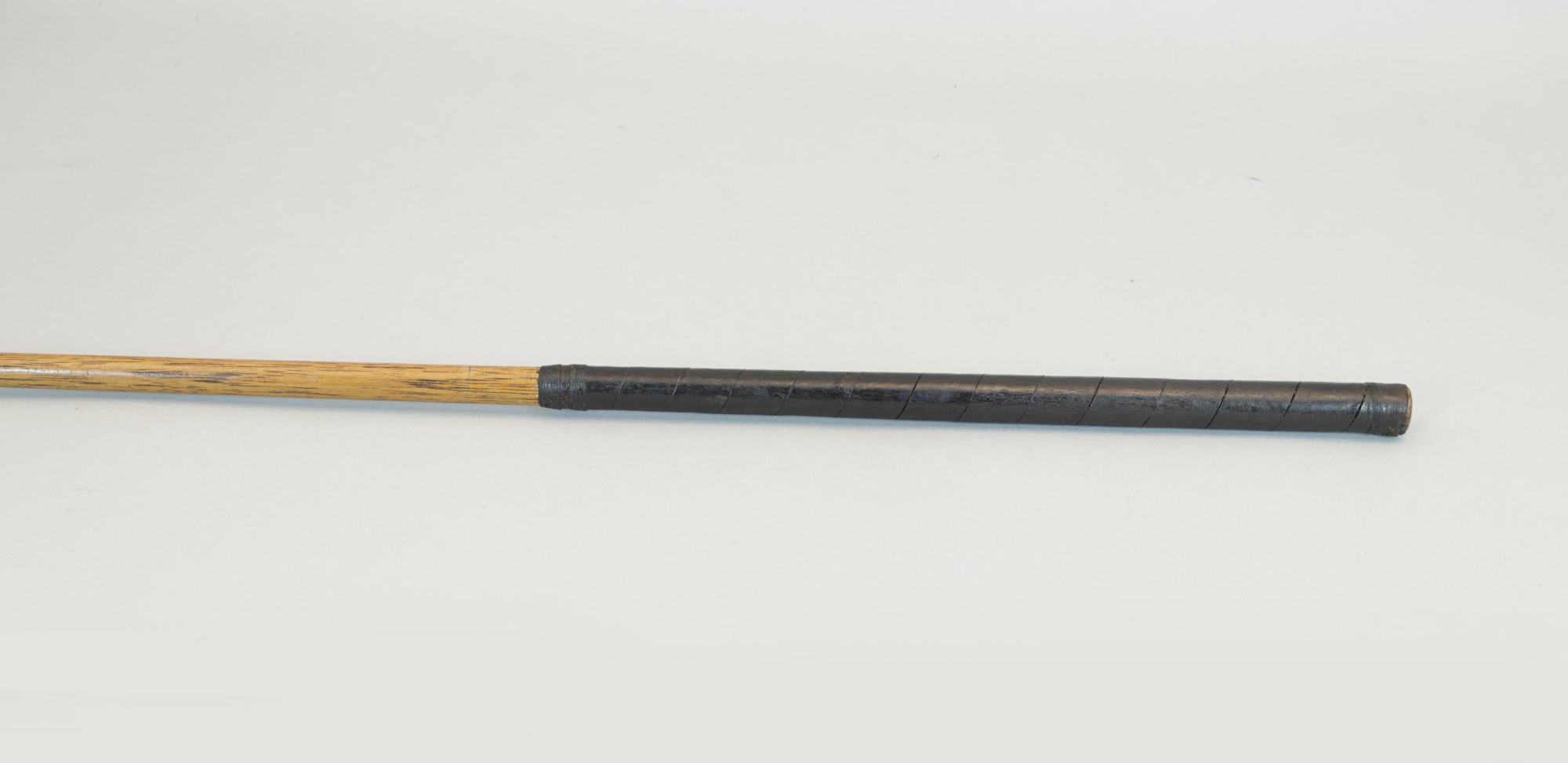
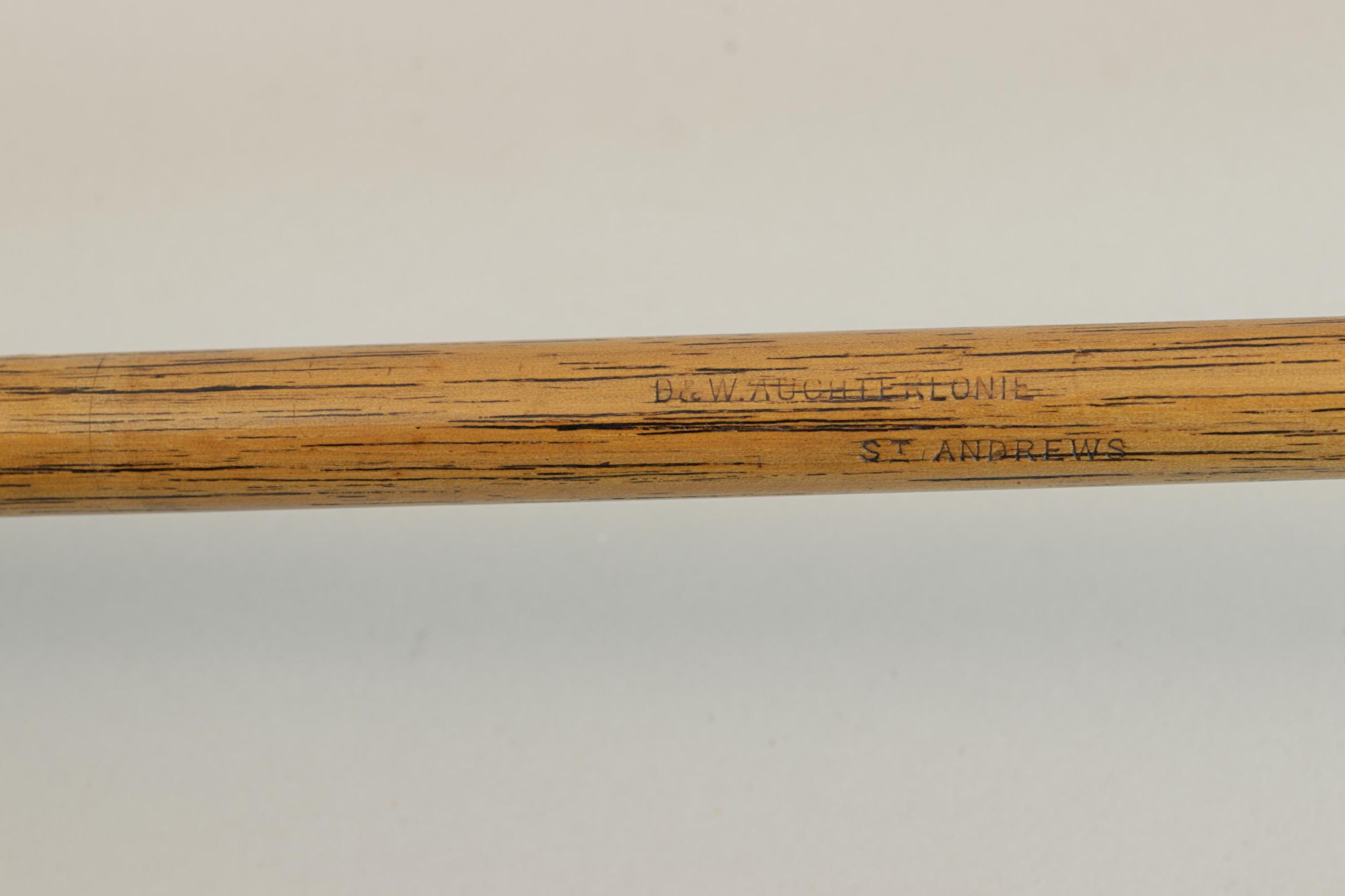
The club retains its hickory shaft, which has been fitted at a later date with a polished leather grip. The shaft is stamped "D & W. Auchterlonie, St Andrews," linking the club to the Auchterlonie golf-making tradition in St Andrews and adding further interest to its history.
What makes the Urquhart particularly remarkable is its adjustable blade. The mechanism allows the loft to be altered through a remarkably wide range, from a driving cleek through a lofting iron and ultimately to a putter. In effect, the intention was to provide the golfer with the playing characteristics of an entire selection of clubs in one. At a time when golf equipment was comparatively expensive and caddies were not always readily available, the economy and convenience of such a design would have been an obvious attraction.
The adjustment mechanism is ingenious but remarkably straightforward. By pressing the lever on the hosel while pulling the spring-loaded blade outward, the internal cogs are disengaged. The club face can then be rotated to the desired loft. Once the blade is released, the spring returns it into position, and the interlocking cogs secure the face firmly at the chosen loft. It is an elegant piece of mechanical engineering, particularly for a golf club of this period.
Contemporary advertising provides an insight into the reputation the Urquhart club had established by the late 1890s. An advertisement published in GOLF in April 1897 stated that the club heads had been thoroughly tested following two or three years of careful trials, and that testimonials regarding their efficiency had been received from many leading golfers of the day. Among those named were P. L. Anderson, the Amateur Golf Champion, Tom Morris, J. H. Taylor, W. Fernie, Andrew Kirkaldy, Charles Hunter and Jack Duncan, together with many other prominent amateur and professional players. Such contemporary endorsements demonstrate that the adjustable Urquhart was not merely an experimental curiosity, but a club that had attracted serious attention among some of the leading golfers of its era.
The Urquhart name was subsequently associated with Urquhart's Patents Limited, established in Edinburgh at 5 St Andrew Square in the New Town, reflecting the commercial development of the patented designs. The Urquhart mark is recorded as having been used between 1892 and 1906, placing this club within a particularly interesting period in the development of patented golf equipment.
The production number 1265, repeated on both the toe and hosel, is an especially appealing detail for the collector and may indicate an early example within the Urquhart series. Together with the distinctive blade profile, adjustable mechanism, patent markings and maker's details, it provides a fascinating glimpse into the experimentation and innovation taking place in golf equipment during the closing years of the nineteenth century.
This is an unusual and highly desirable hickory-shafted golf club, with considerable appeal to collectors of antique golf equipment. Its combination of a traditional appearance, an ingenious patented mechanism, identifiable markings and an unusually versatile adjustable blade makes it a particularly interesting example of early golf-club engineering. The contemporary references to its use and endorsement by leading golfers add an important historical dimension to what is already a rare and fascinating club.
The last image shows both aa American and British Patent taken from 'Google patents'.
The measurements given are the overall length of the shaft and hosel, together with the width and depth of the club face.
Dimensions:
1850-1899
Circa 1890s
Steel and hickory
Scotland
Great condition, mechanism working well.
RELATED ITEMS